


How are adhesive back labels printed?
Printer Label or Print Label
Among the most commonly used computer accessories, a printer can be used to print and print information such as letters and pictures. These printers come with a variety of models and types, among them inkjet printers, laser printers, and label printers that mention thermal printers as the newest printing mechanism and the necessary paperwork. We are sensitive to heat and heat and react quickly.

How are adhesive back labels printed?
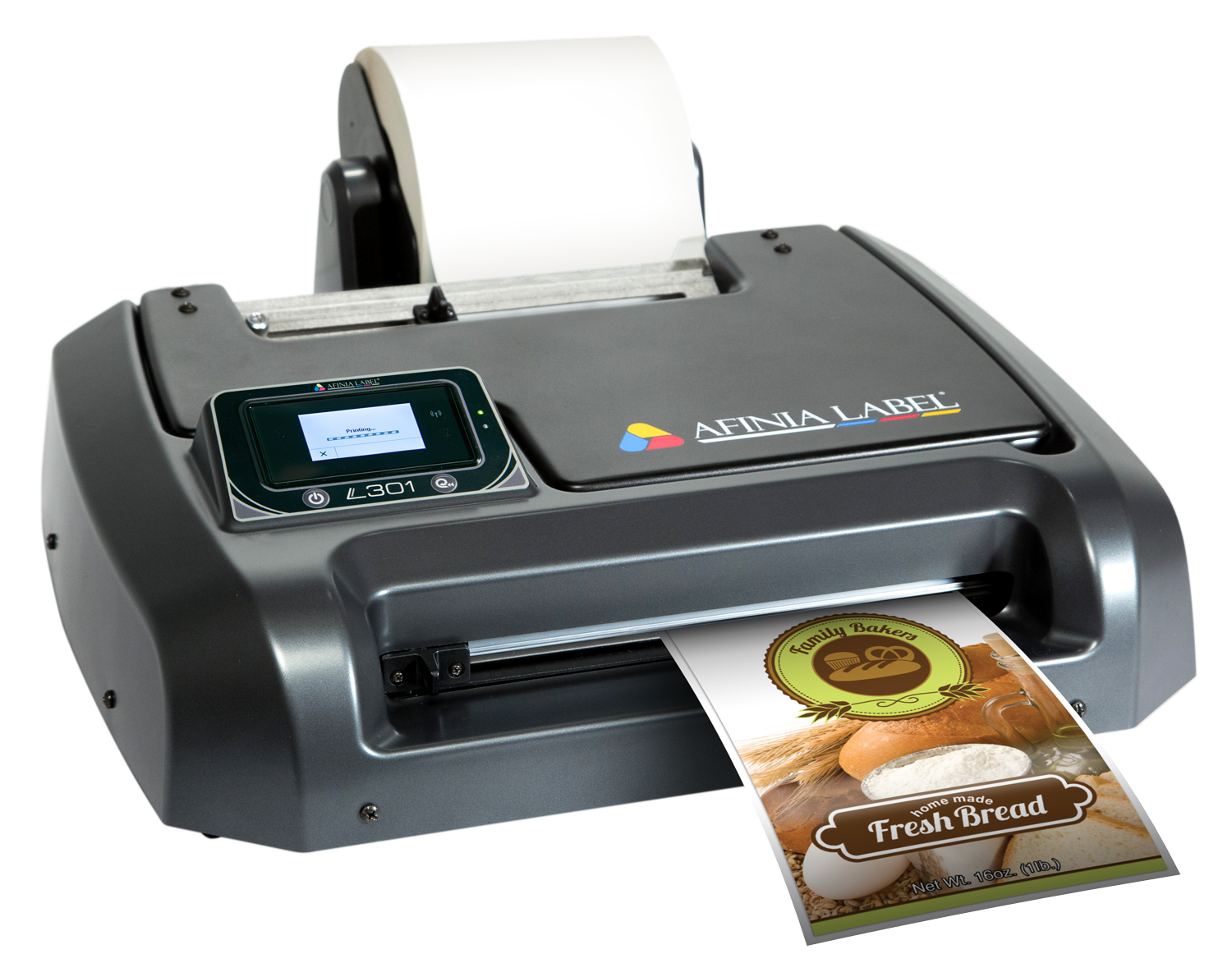
The label printer has many uses, including storage management, print sales prices, barcode printing, packaging labels, printing on blood packages and laboratory samples, and managing fixed assets.

Types of Printer Portfolios:
Thermal printers are marketed on specific ports, which should be carefully monitored when shopping.
Parallel Port: A standard port for connecting to a printer that does not need to install a driver and has a high speed.
Serial Port (COM): It has lower speeds than other ports, and is often used for distances of more than 15 meters.
Network port (Ethernet): Usually used in places where the number of printers or computers is high and in addition there is a high cost.
USB port: This port is selected in the absence of a portable port, which is usually available on all laptops. The only major drawback is to reinstall the printer driver when disconnecting the wires and wires.
Mechanism

How are adhesive back labels printed?
Label printers use a wide range of labels, including paper and synthetic “plastic” polymer materials. Several types of printing mechanisms, including laser and punch, are used, but the thermal printing mechanism is more common. Two types of thermal printers are listed below:

1. Direct thermal printers
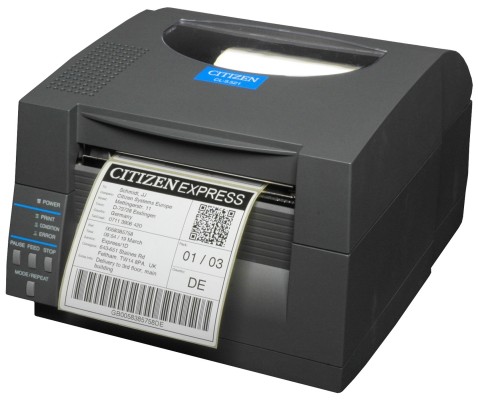
Use heat-sensitive paper (similar to fax paper sheets). The direct thermal label disappears over time (usually 6 to 12 months), and when exposed to heat, direct sunlight or chemical vapors, their life is shortened. Therefore, direct thermal labels are primarily used for short-term applications, such as shipping labels.
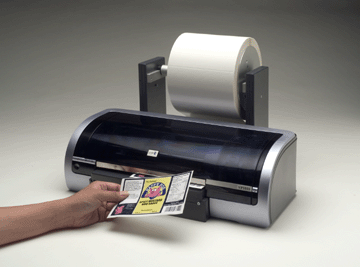
2. Indirect thermal transfer printers
Use the heat to transfer ink from the ribbon to the label, which is used for permanent printing on the label. Some thermal transfer printers are also capable of direct thermal printing.
There are three Ribbon samples for use in thermal transfer printers:
1. The most widely used wax, with an almost durable effect and suitable for printing opaque and semi-gloss paper labels.
2. Wax / Resin has a durable effect and is suitable for semi-glossy and plastic labels.
3. Resin is a scratch resistant chemical and is suitable for labeling with synthetic coating.

How are adhesive back labels printed?
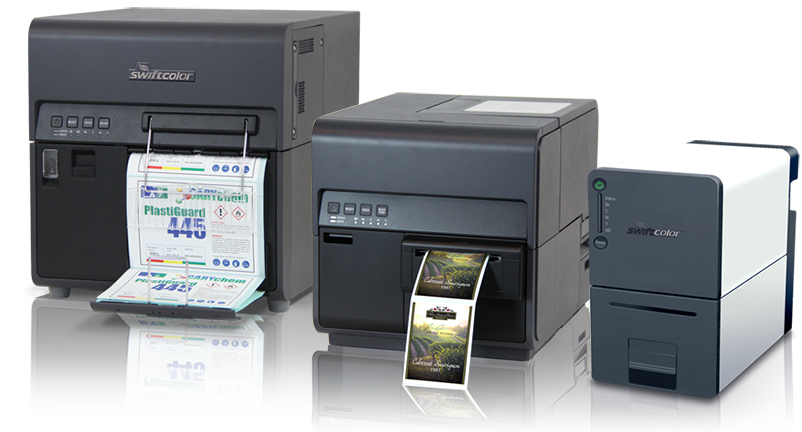
Types of Labeled Printers
1. Desktop Label Printer
Designed for lightweight and medium-sized jobs, it uses a roll with a width of 4 inches. They are silent and cheap.
2. Branded Label Printer
Typically, it can accommodate a larger roll (up to 8 inches wide) and is built for medium sized print operations.
3. Industrial Label Printer
For heavy work, storage depots, distribution centers and factories.
4. Portable Industrial Label Printer
Designed for heavy duty on-site operations. Examples are the use of tagging electrical installations, site building, and the classification of products that do not have a computer.

5. RFID scanners
Label printers are specialist that perform the printing and encoding of RFID transmitters (tags) placed between paper or copying materials simultaneously. RFID tags require printed information to adapt to barcode systems, so a person can identify the tag.

6. Custom Label Printers
To do the labeling process are automatically designed. These devices are commonly used in the production of wagons that require a frame and pallet to carry.