How are scanners made and used?
Image scanner
In computing, an image scanner—often abbreviated to just scanner, although the term is ambiguous out of context (barcode scanner, CAT scanner etc.)—is a device that optically scans images, printed text, handwriting or an object and converts it to a digital image. Commonly used in offices are variations of the desktop flatbed scanner where the document is placed on a glass window for scanning. Hand-held scanners, where the device is moved by hand, have evolved from text scanning “wands” to 3D scanners used for industrial design, reverse engineering, test and measurement, orthotics, gaming and other applications. Mechanically driven scanners that move the document are typically used for large-format documents, where a flatbed design would be impractical.
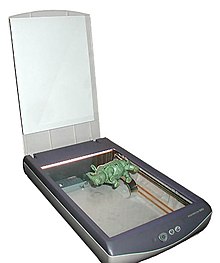

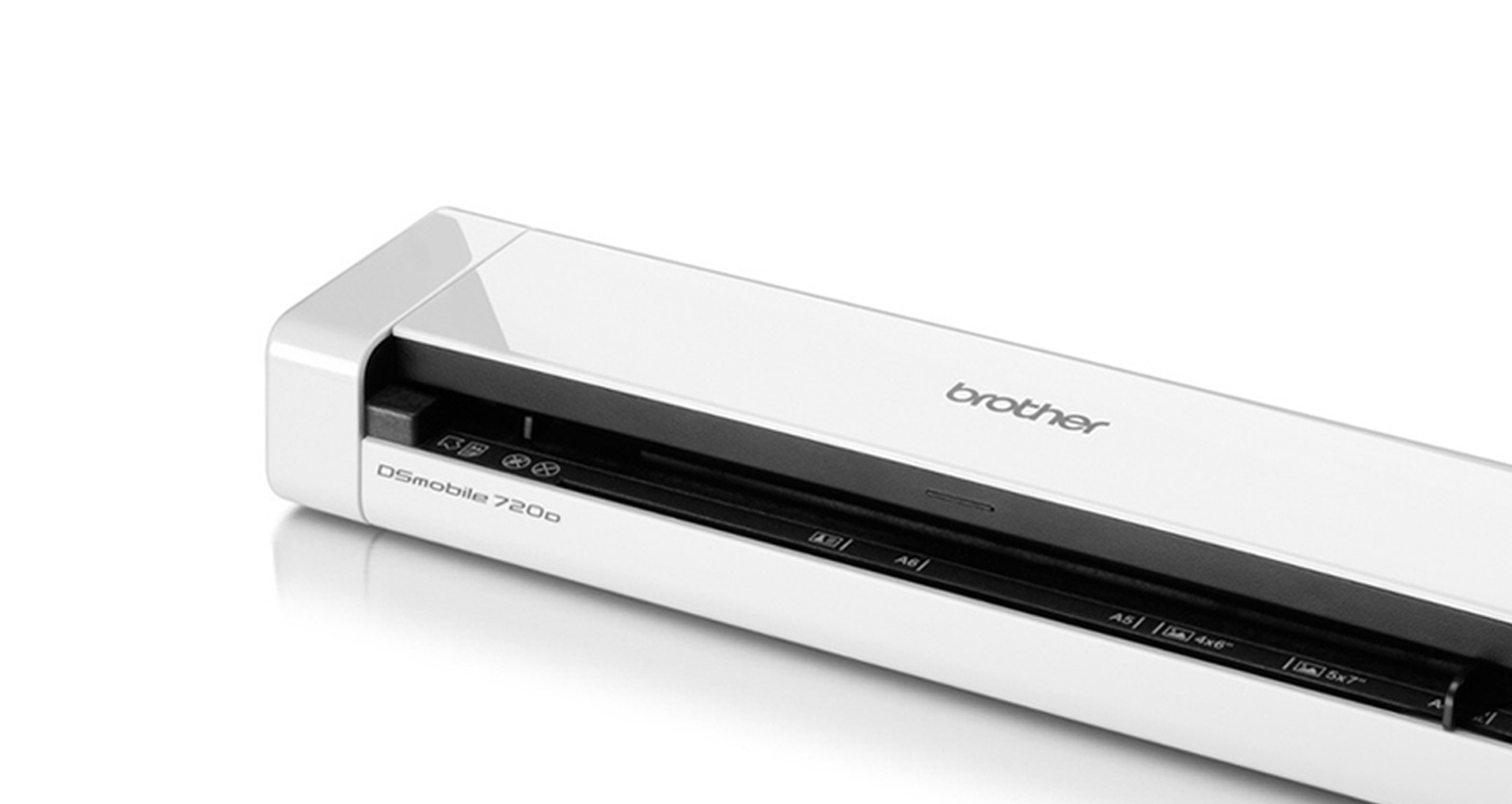
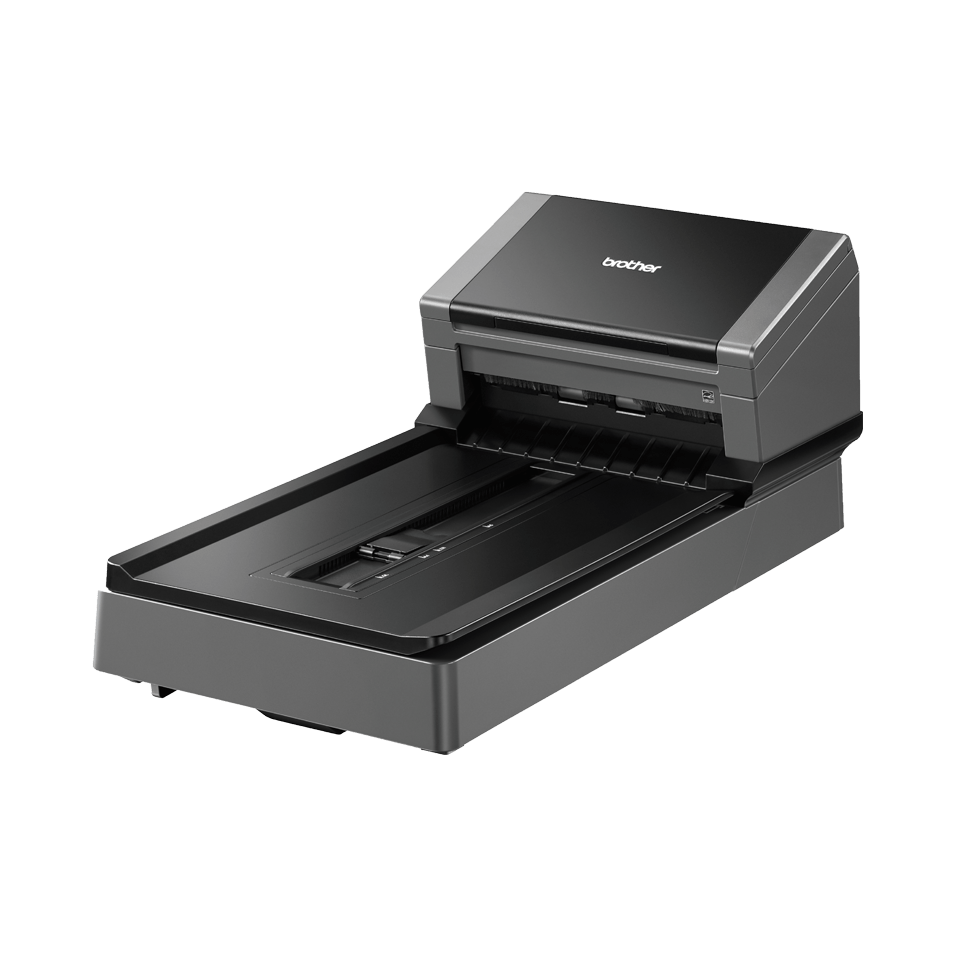
Modern scanners typically use a charge-coupled device (CCD) or a contact image sensor (CIS) as the image sensor, whereas drum scanners, developed earlier and still used for the highest possible image quality, use a photomultiplier tube (PMT) as the image sensor. A rotary scanner, used for high-speed document scanning, is a type of drum scanner that uses a CCD array instead of a photomultiplier. Non-contact planetary scanners essentially photograph delicate books and documents. All these scanners produce two-dimensional images of subjects that are usually flat, but sometimes solid; 3D scanners produce information on the three-dimensional structure of solid objects.
Digital cameras can be used for the same purposes as dedicated scanners. When compared to a true scanner, a camera image is subject to a degree of distortion, reflections, shadows, low contrast, and blur due to camera shake (reduced in cameras with image stabilization). Resolution is sufficient for less demanding applications. Digital cameras offer advantages of speed, portability and non-contact digitizing of thick documents without damaging the book spine. As of 2010 scanning technologies were combining 3D scanners with digital cameras to create full-color, photo-realistic 3D models of objects.

In the biomedical research area, detection devices for DNA microarrays are called scanners as well. These scanners are high-resolution systems (up to 1 µm/ pixel), similar to microscopes. The detection is done via CCD or a photomultiplier tube.
History
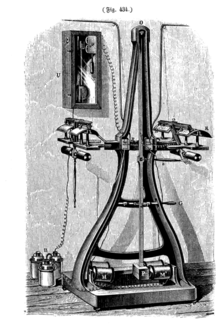

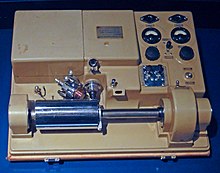
Modern scanners are considered the successors of early telephotography and faxinput devices.
The pantelegraph (Italian: pantelegrafo; French: pantélégraphe) was an early form of facsimile machine transmitting over normal telegraph lines developed by Giovanni Caselli, used commercially in the 1860s, that was the first such device to enter practical service. It used electromagnets to drive and synchronize movement of pendulums at the source and the distant location, to scan and reproduce images. It could transmit handwriting, signatures, or drawings within an area of up to 150 x 100mm.

Édouard Belin’s Belinograph of 1913, scanned using a photocell and transmitted over ordinary phone lines, formed the basis for the AT&T Wirephoto service. In Europe, services similar to a wirephoto were called a Belino. It was used by news agencies from the 1920s to the mid-1990s, and consisted of a rotating drum with a single photodetector at a standard speed of 60 or 120 rpm (later models up to 240 rpm). They send a linear analog AM signal through standard telephone voice lines to receptors, which synchronously print the proportional intensity on special paper. Color photos were sent as three separated RGB filtered images consecutively, but only for special events due to transmission costs.
Document processing
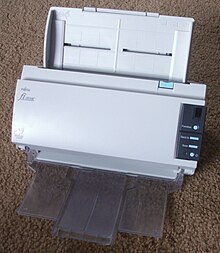
The scanning or digitization of paper documents for storage makes different requirements of the scanning equipment used than scanning of pictures for reproduction. While documents can be scanned on general-purpose scanners, it is more efficiently performed on dedicated document scanners.
When scanning large quantities of documents, speed and paper-handling are very important, but the resolution of the scan will normally be much lower than for good reproduction of pictures.

Document scanners have document feeders, usually larger than those sometimes found on copiers or all-purpose scanners. Scans are made at high speed, perhaps 20 to 150 pages per minute, often in grayscale, although many scanners support color. Many scanners can scan both sides of double-sided originals (duplex operation). Sophisticated document scanners have firmware or software that cleans up scans of text as they are produced, eliminating accidental marks and sharpening type; this would be unacceptable for photographic work, where marks cannot reliably be distinguished from desired fine detail. Files created are compressed as they are made.
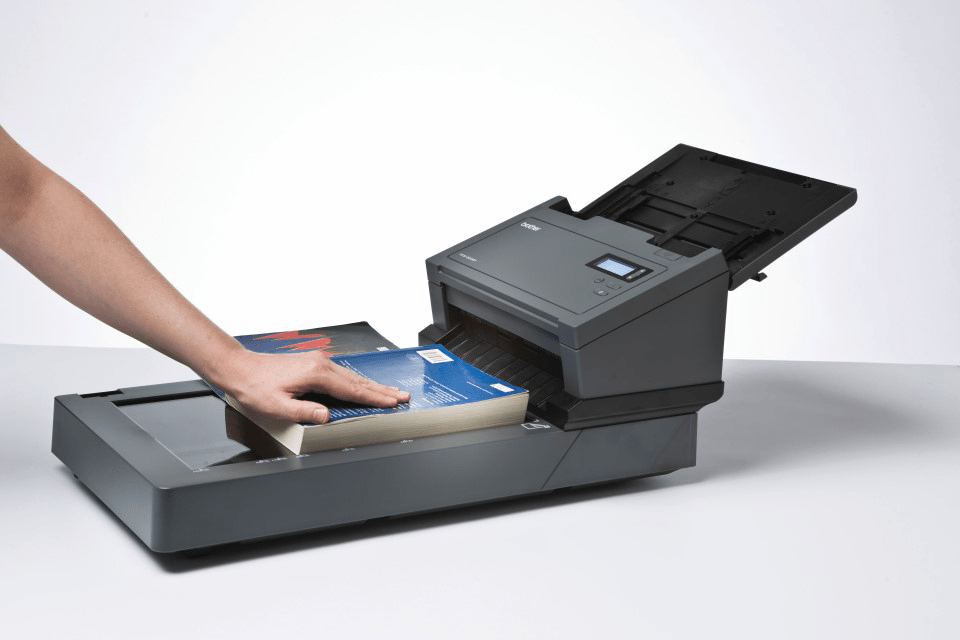
The resolution used is usually from 150 to 300 dpi, although the hardware may be capable of somewhat higher resolution; this produces images of text good enough to read and for optical character recognition (OCR), without the higher demands on storage space required by higher-resolution images.

Document scans are often processed using OCR technology to create editable and searchable files. Most scanners use ISISor TWAIN device drivers to scan documents into TIFF format so that the scanned pages can be fed into a document management system that will handle the archiving and retrieval of the scanned pages. Lossy JPEG compression, which is very efficient for pictures, is undesirable for text documents, as slanted straight edges take on a jagged appearance, and solid black (or other color) text on a light background compresses well with lossless compression formats.

While paper feeding and scanning can be done automatically and quickly, preparation and indexing are necessary and require much work by humans. Preparation involves manually inspecting the papers to be scanned and making sure that they are in order, unfolded, without staples or anything else that might jam the scanner. Additionally, some industries such as legal and medical may require documents to have Bates Numbering or some other mark giving a document identification number and date/time of the document scan.

Indexing involves associating relevant keywords to files so that they can be retrieved by content. This process can sometimes be automated to some extent, but it often requires manual labour performed by data-entry clerks. One common practice is the use of barcode-recognition technology: during preparation, barcode sheets with folder names or index information are inserted into the document files, folders, and document groups. Using automatic batch scanning, the documents are saved into appropriate folders, and an index is created for integration into document-management systems.

A specialized form of document scanning is book scanning. Technical difficulties arise from the books usually being bound and sometimes fragile and irreplaceable, but some manufacturers have developed specialized machinery to deal with this. Often special robotic mechanisms are used to automate the page turning and scanning process.